Source Motorcycle Racing Knee Pads for Sports, Work, and Travel
Compare 30 verified motorcycle racing knee pads from Chinese manufacturers. Buyers can evaluate materials like neoprene and nylon, customization options, and pricing to find suitable protection for sports, work, and travel applications; compare the available evidence and request quotations based on your requirements.
Key considerations
Products List
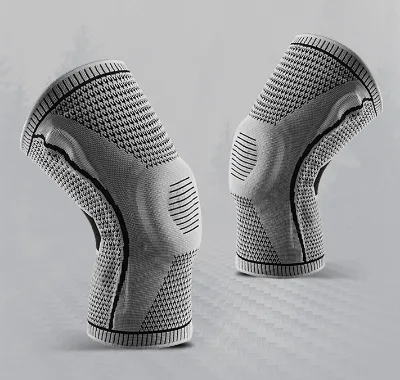
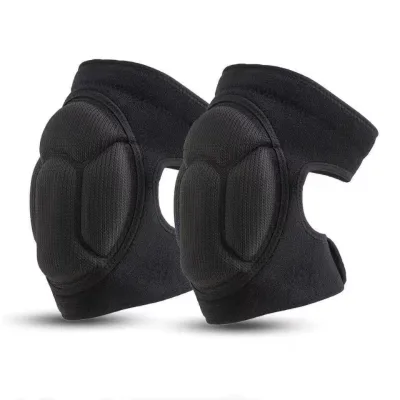


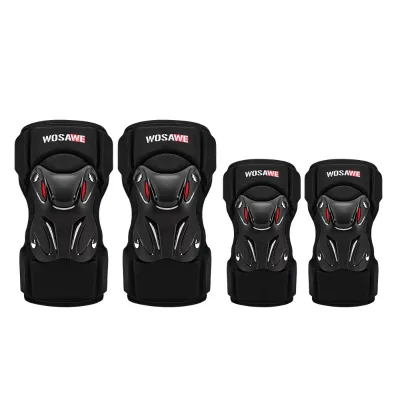
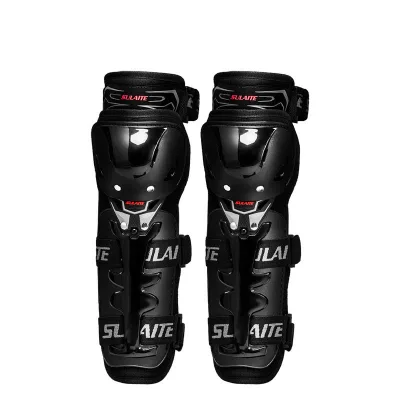
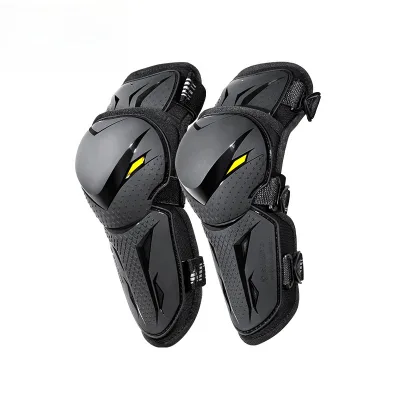
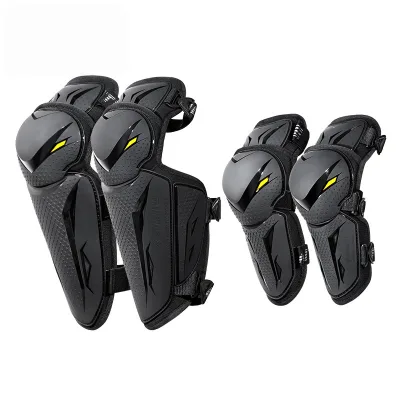
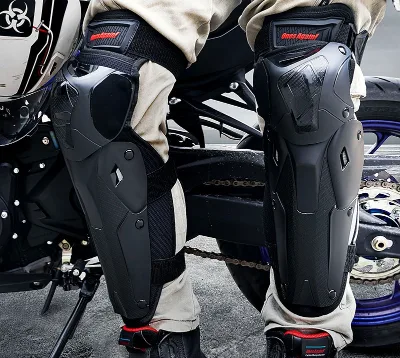
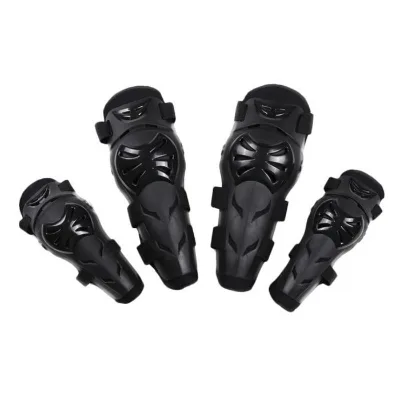


Comprehensive Sourcing Guide
Motorcycle Racing Knee Pads Sourcing Guide
Motorcycle racing knee pads occupy a specialized segment of the protective gear market where buyers must balance impact protection, rider mobility, and cost efficiency. This guide is written for procurement teams, distributors, and private-label brands sourcing knee protection for sport users, with particular attention to the signals visible on B2B product listings and the verification steps those listings rarely cover. The category spans simple foam-padded sleeves, neoprene compression braces, and structured sport-protect designs, so defining your product scope before contacting suppliers is the single most important early decision.
The listings observed for this category show meaningful variety that buyers should understand at the outset. Products range from lightweight breathable knee braces in nylon to thicker neoprene supports, with origins in manufacturing regions such as Hebei, Fujian, and Zhejiang in China. Price points in the observed listings span roughly USD 1.90 to 38.02, and minimum order quantities range from single units to 300 pieces, which signals that the category serves everyone from small custom brands to volume distributors. Use this guide to structure your evaluation rather than relying on headline prices alone.
Product Scope and Observed Listing Signals
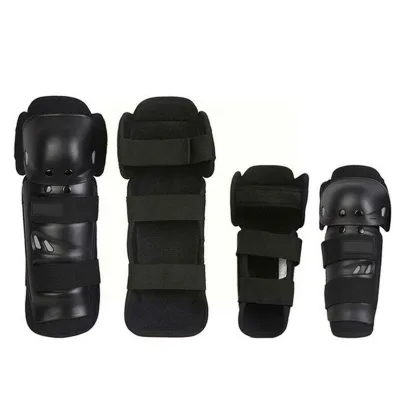
Before requesting quotes, clarify which sub-segment of the category you intend to buy. Observed listings include a breathable knee brace (model AFT-K082) from a brand identified as Aofit, offered in sizes S through XL with nylon construction, customization support, and colors including black, blue, yellow, pink, and rose red. A second listing, model LQ-2101 from Dorrella, is a neoprene one-size-fits-all support for adults with a three-year warranty and a stated target market of the USA, South America, and India. Additional listings include knee pads in the 120g weight class and a FOX-MT110 model at 17×12cm. Matching your target rider profile to these archetypes prevents mismatched samples.
Listing attributes also reveal what suppliers expect buyers to negotiate. Both flagship listings confirm customization availability and accepted custom logos, and one identifies its function as sport protection while another emphasizes breathability. Packaging varies from a compact 5×5×3 cm single-item package for the nylon brace to a 50×40×40 cm carton format for the neoprene listing, with gross weights from 0.26 kg to 2.0 kg. These differences affect freight cost per unit substantially, so capture them in your comparison spreadsheet early rather than after samples arrive.
Technical Specifications to Verify
Material composition is the first specification to pin down. The observed listings divide between nylon and neoprene construction, and each choice carries procurement consequences: nylon supports tend toward lighter weight and breathability, while neoprene offers compression and thermal retention but requires verification of thickness and odor control. One listing states "medium" thickness without a numeric value, which is a prompt to request exact millimeter measurements. Ask suppliers for material composition breakdowns, stitching method (flatlock versus overlock), and whether padding inserts are removable, since these details determine durability in racing conditions.
Sizing and dimensional data require equal rigor. One observed listing offers S, M, L, and XL while another claims one-size-fits-all; buyers serving serious sport users should be cautious about one-size claims, as fit directly affects whether protection stays positioned during riding. Request actual size charts with circumference ranges, not just letter labels. For the pads described at 120g and 17×12cm, verify whether these refer to the pad insert or the complete product, and confirm single-package dimensions and gross weight in writing, because the observed range (0.26 kg to 2.0 kg per unit) shows how much these figures can vary within one category.
Compliance and Safety Documentation
Certification claims on listings should be treated as starting points for verification, not conclusions. One observed listing states ISO certification, which buyers should confirm by requesting the certificate number, scope, and issuing body, then checking validity directly with the registrar. Note that the supplied listing data does not include CE marking or impact-standard test results for these specific products, so buyers must not assume such compliance exists. Any marketing language about protective performance should be backed by documented test reports from the supplier or an independent laboratory you trust.
For products marketed as protective equipment for sport users, establish a documentation checklist before placing orders. At minimum, request material safety declarations confirming the absence of restricted substances, especially for neoprene items that contact skin during prolonged use. One listing promotes an eco-friendly feature; ask what that claim specifically means and whether it is supported by any documentation. Buyers importing into regulated markets should independently confirm which protective-equipment or general product-safety requirements apply in their destination country, since the observed listings do not state destination-specific conformity, and relying on supplier assertions alone creates recall and liability risk.
Cost Drivers and Commercial Terms
Observed pricing in this category spans USD 1.90 to 38.02, a wide range that reflects differences in materials, construction, customization, and order structure. The main cost drivers to model are material choice (neoprene generally prices above basic fabric), branding requirements such as custom logos and packaging, size ranges that multiply SKUs, and padding content. A lightweight nylon sleeve and a structured sport-protect pad are not price-comparable products, so benchmark each quote against listings of the same construction type rather than the category average.
Commercial terms require explicit negotiation. Observed MOQs range from 1 to 300 pieces, indicating that low-volume custom orders are feasible but likely carry higher per-unit prices; request a tiered price ladder (for example at trial, growth, and volume quantities) so you can plan margin as sales scale. Confirm incoterms, payment terms, and what the quoted price includes: one listing specifies packaging as an OPP bag inside a carton, another a box, another a PP bag, and upgrading retail packaging changes cost. Also confirm whether customization, logo printing, and sample fees are charged separately and whether sample costs are credited against the first production order.
Supplier Qualification and Quality Control
Qualify suppliers on evidence rather than listing polish. Useful verification steps include confirming the stated place of origin (observed regions include Hebei, Fujian, and Zhejiang), requesting business licenses and factory photographs or video audits, and checking how long the supplier has produced knee protection specifically rather than general sporting goods. One listing advertises a three-year warranty and identifies target export markets; ask prospective suppliers to explain their warranty terms in detail, including what defects qualify and how replacements or credits are handled, since warranty handling reveals operational maturity.
Quality control should be built into the contract, not assumed. Before mass production, approve a golden sample covering material, stitching, logo placement, and packaging. Define an inspection standard covering workmanship, dimensional tolerances against the agreed size chart, and weight consistency for products specified at figures like 120g. Agree on pre-shipment inspection rights, whether performed by your team, a third party, or against an agreed defect-classification list. For ongoing orders, require batch-level documentation so that any field failure in the racing environment can be traced back to a specific production run and corrected at the source.
Long-Term Procurement Checks
Sustainable supply in this category depends on consistent reordering conditions, so lock in the variables that most often drift. Confirm in writing that unit prices, material specifications, color ranges (the observed listings show palettes such as black, blue, yellow, pink, rose red, white, and red), and packaging remain fixed across reorder windows. If you operate a private-label program, verify that custom logo tooling or printing setups remain available without repeated setup charges, and obtain written confirmation of lead times for both initial and repeat orders rather than relying on verbal estimates.
Finally, monitor product performance in the field and feed it back into specifications. Racing knee pads endure abrasion, sweat, and repeated impact, so track return rates and failure modes—seam splitting, padding compression set, strap or elastic degradation, and odor complaints in neoprene items—and require corrective action with root-cause analysis when defect rates rise. Re-verify supplier certifications periodically, especially if the factory changes location or material suppliers. Diversifying across at least two qualified sources for your core models protects continuity, and reviewing the cost drivers annually against current quotes keeps your landed margin realistic as materials and freight fluctuate.
FAQs
What materials are used for motorcycle racing knee pads?
Manufacturers typically use durable materials like nylon or neoprene to construct these protective braces. Nylon options offer breathability and eco-friendly features, while neoprene provides medium thickness and health care benefits. These materials ensure comfort and protection for sport users during intense activities.
Can I customize the logo on motorcycle racing knee pads?
Yes, most suppliers accept customized logos for these knee support braces. You can request specific branding on the product packaging or the item itself. This customization service allows businesses to create unique products for their target audience while maintaining high-quality standards and professional presentation.
What sizes are available for motorcycle racing knee pads?
Available sizes typically include S, M, L, and XL for specific models, while others offer a one-size-fits-all design. Buyers should check the single package size and gross weight to ensure proper fit. Selecting the correct size ensures optimal protection and comfort for adult sport users.
Are motorcycle racing knee pads suitable for unisex use?
Yes, these knee support braces are designed for unisex use. They are suitable for both male and female sport users seeking protection. The adjustable nature of many models ensures a secure fit regardless of gender, making them a versatile choice for various athletic activities and racing scenarios.
What certifications do motorcycle racing knee pads have?
Some manufacturers hold ISO certifications for their production processes. While specific safety standards like CE or EN 1621-1 are noted in background data, buyers should verify current compliance. Always request documentation to ensure the products meet your regional safety requirements and quality expectations for protective gear.
How are motorcycle racing knee pads packaged for shipping?
Products are commonly packed in OPP bags and then placed in cartons for bulk shipping. Some models may come in individual boxes or PP bags. This packaging protects the knee pads during transit and ensures they arrive in good condition. Buyers should confirm packaging details to avoid damage.